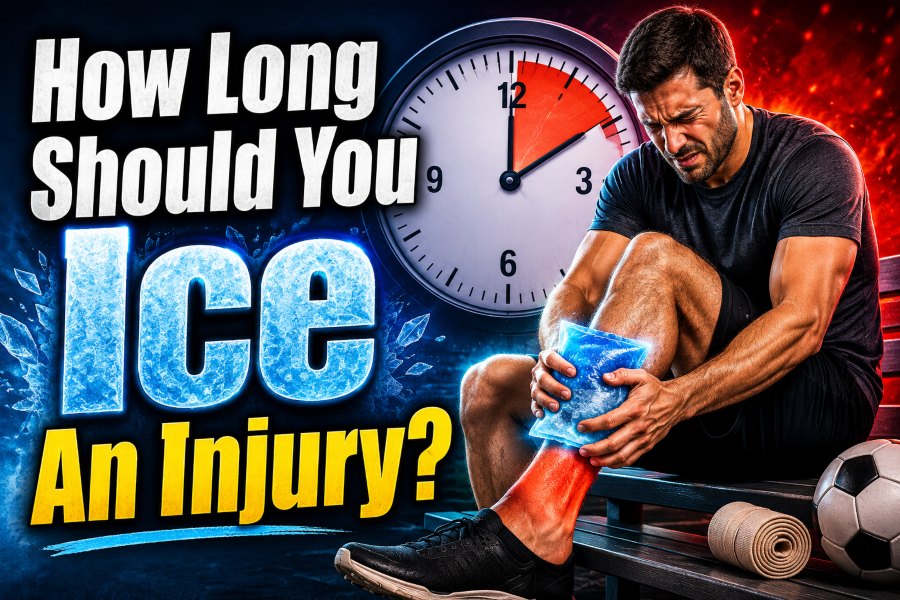
The safe answer is usually 10 to 20 minutes at a time, with a towel between your skin and the cold source. Ice can reduce pain and swelling, but it does not repair torn tissue on its own.
This guide explains when ice helps, when it hurts, and how to use it without slowing your recovery. Read on!
How Long Should You Ice An Injury In Most Cases
For most minor sprains, strains, bruises, and joint irritation, you should ice the area for 10 to 20 minutes per session. Many people only need 10 to 15 minutes, especially for a finger, wrist, ankle, or knee.
Never treat 30 minutes as a safer or stronger dose, because longer cold exposure can irritate the skin and nerves. If an injury happened because of unsafe property, a workplace issue, or a preventable accident, experts delivering trusted legal guidance for individuals and businesses can help you understand practical legal steps while your medical team handles care.
The key is controlled cooling, not freezing the area until it feels dead. In 2024 guidance, the practical limit stayed near 20 minutes because over-icing can cause numbness, stiffness, frostbite risk, and poor circulation.
Must-know Tip: Ice is a pain-control tool, not a healing shortcut, so your goal is to calm the injury enough to protect it and move safely when the time is right.
Why Ice Helps After A Fresh Injury
Ice helps most during the early stage of a fresh injury because it narrows blood vessels and slows fluid build-up. That can reduce swelling, ease throbbing, and make movement less painful during the first day or two.
Cold also slows nerve signals, which is why the injured area may feel calmer after a short session. This matters when pain makes you limp, guard your shoulder, or avoid gentle motion.
Still, ice does not rebuild ligament fibers, repair muscle tissue, or make a sprain disappear overnight. In 2024 and 2025, sports-medicine discussions shifted toward brief ice for comfort rather than long sessions that may blunt healing.
The Best Icing Schedule For The First 48 Hours
During the first 24 to 48 hours, ice the injury for 10 to 20 minutes, then let the skin fully return to normal temperature before icing again. A common schedule is every 1 to 2 hours while you are awake during the first day, then less often as pain drops.
Do not ice through the night, and do not sleep with an ice pack on your body. You can lose track of time, and a helpful cold can become risky when left on too long.
By 48 hours, most mild injuries should show some improvement in pain, swelling, or movement. If the area looks worse, feels unstable, or hurts sharply when you bear weight, get help.
When You Should Stop Icing
Stop icing when the area feels numb, burning, itchy, prickly, or unusually stiff. Also, stop if your skin turns very pale, bright red, blue, blotchy, or waxy.
The CBAN pattern can help you listen to your body: cold, burning, aching, then numbness. Once numbness arrives, remove the ice even if the timer has not reached 20 minutes.
Must-know Tip: The safest ice session ends when comfort improves, not when your skin feels frozen.
Stop using ice as your main plan once swelling is clearly going down and pain is manageable. At that point, gentle movement, compression, elevation, and guided strength matter more than another cold pack.
How To Ice An Injury Safely
Wrap the ice pack in a thin towel before it touches your skin. A frozen gel pack, bag of ice, or bag of frozen vegetables can work, but direct ice can damage tissue.
Keep the pack light and comfortable rather than pressing it hard into the injury. Strong pressure with cold can cause numbness to set in faster and mask skin trouble.
Set a timer for 10, 15, or 20 minutes based on the body part and your cold tolerance. A finger, toe, or wrist may need less time, while a thigh or hip may need closer to the upper limit.
Check the skin every few minutes. If the cold feels too intense, remove the pack and let the area warm slowly without rubbing hard.
RICE Still Helps, But It Is Not The Whole Plan
RICE means rest, ice, compression, and elevation, and it remains useful for many minor injuries. Rest protects the area, ice eases pain, compression limits swelling, and elevation helps fluid drain.
The problem starts when people treat RICE as complete recovery. Resting too long can make tissues stiff, and icing too often can distract you from rebuilding strength and control.
Modern rehab often uses a broader plan after the early stage. You protect the injury first, then add safe loading, gradual movement, and exercise as symptoms allow.
Ice Vs Heat After An Injury
Use ice for a new injury that is swollen, warm, painful, or recently irritated. Use heat later for stiffness, tight muscles, or chronic soreness without new swelling.
Heat increases blood flow and relaxes tissue, which can feel good when a muscle is tight. But heat too early can make swelling and throbbing worse after a fresh sprain or strain.
A simple rule works: ice during the swollen stage, heat during the stiff stage. If the area is hot, puffy, and tender, do not add more heat.
Common Mistakes That Make Icing Less Safe
The biggest mistake is icing for too long because you think more cold means faster healing. It does not work that way, and long exposure raises the chance of skin and nerve irritation.
Another mistake is placing ice directly on the skin. You may feel fine for the first few minutes, but cold injury can start before you realize the area is too numb.
Avoid tight wraps while you ice. Compression should feel snug, not painful, and your toes or fingers should not tingle, turn blue, or feel cold beyond the ice session.
How Injury Type Changes Icing Time
Small joints usually need shorter icing sessions because cold reaches the tissue faster. A jammed finger, sore toe, or mild wrist sprain may need only 5 to 10 minutes.
Larger or deeper areas may need 15 to 20 minutes because the cold takes longer to reach irritated tissue. A thigh bruise, hip soreness, or shoulder strain may need more time, but never more than 20 minutes.
Children, older adults, and people with diabetes, nerve problems, or poor circulation should be more careful. They may not feel cold damage early, so shorter sessions are safer.
In 2025 injury data, ankle sprains still appeared as a major emergency-department concern in the United States, especially among adolescents and athletes. That matters because ankle injuries are often iced at home first, yet unstable ankles need assessment.
What To Do Between Icing Sessions
Use the break between icing sessions to protect the injury and improve swelling control. Elevate the area above heart level when possible, and use light compression if it does not increase symptoms.
Gentle movement may help once sharp pain settles. For an ankle, that may mean slow ankle circles, toe movement, or easy motion without force.
Do not test the injury aggressively just because ice made it feel better. Cold can hide pain for a short time, and that can trick you into doing too much too soon.
In 2024, National Safety Council data reported 4.4 million emergency-department visits linked to sports and recreational equipment injuries. That number reminds you to respect symptoms instead of rushing back because pain feels quieter.
When To See A Doctor
Get medical care if you cannot bear weight, cannot move the joint, or feel severe pain. Also seek care if the joint looks crooked, unstable, deeply bruised, or very swollen.
Call a healthcare provider if swelling does not improve after 48 hours or keeps returning after normal activity. Minor injuries usually trend better, even if they are still sore.
Redness, warmth, fever, spreading pain, open wounds, or ongoing numbness also needs attention. These signs can point to infection, circulation trouble, nerve irritation, or a serious injury.
In 2024 CDC-reported national emergency-care data showed that emergency departments remain a major entry point for injury care in the United States. Do not use ice to hide symptoms that need a diagnosis.
How To Return To Movement After Icing
Return to movement slowly and let symptoms guide the pace. You want less pain, better control, and no major swelling increase after activity.
Start with easy range-of-motion work, then add light strength, balance, and normal walking when appropriate. If swelling rises after movement, reduce the load and return to protection, compression, and elevation.
By 48 to 72 hours, many mild injuries benefit from controlled movement rather than repeated cold sessions. This does not mean full sports or heavy lifting.
Must-know Tip: A good recovery plan reduces pain first, restores motion second, and rebuilds strength third, because skipping steps often leads to repeat injury.
Conclusion
How long should you ice an injury depends on the body part, swelling, pain level, and your health, but the safest general answer is 10 to 20 minutes per session. Use a towel barrier, set a timer, and stop before numbness becomes intense. Ice helps most during the first 24 to 48 hours by reducing pain and swelling, but it should not replace medical care or movement indefinitely.
If the injury improves, shift toward gentle motion, compression, elevation, and gradual loading. If pain is severe, swelling lasts beyond 48 hours, or the joint feels unstable, contact a healthcare provider. Smart icing is simple: cool the injury briefly, protect your skin, watch your symptoms, and move forward only when your body is ready.
FAQs
How Long Should You Ice A Sprained Ankle?
Ice a sprained ankle for 10 to 20 minutes at a time. Use a towel barrier and repeat every 1 to 2 hours during the first day if swelling and pain are active.
Is 30 Minutes Too Long To Ice An Injury?
Yes, 30 minutes is usually too long for routine home icing. It can increase the risk of numbness, skin irritation, poor circulation, and cold injury.
Can I Ice An Injury Overnight?
No, you should not sleep with an ice pack on an injury. You may leave it on too long and damage your skin or nerves.
Should I Use Ice Or Heat First?
Use ice first when the injury is new, swollen, warm, or painful. Use heat later when swelling is gone, and stiffness becomes the main problem.
How Often Can I Ice A New Injury?
You can ice several times per day during the first 24 to 48 hours. Let the skin return to normal and wait at least 30 to 120 minutes between sessions.
When Should I Stop Icing A Sprain?
Stop when pain and swelling are improving, and movement is returning. Also, stop immediately if your skin changes color, burns, tingles, or becomes numb.
Does Ice Speed Up Healing?
Ice does not directly repair tissue faster. It mainly helps you manage pain and swelling while your body heals.
Can Too Much Ice Make An Injury Worse?
Yes, too much ice can irritate skin, reduce circulation, cause stiffness, and possibly slow the normal healing response. Use short sessions and watch your symptoms.
Should I Compress While I Ice?
Light compression can help with swelling, but it should not feel tight or painful. Loosen the wrap if your fingers or toes tingle, change color, or feel cold.
What If Swelling Lasts More Than 48 Hours?
Persistent swelling after 48 hours may mean the injury needs medical evaluation. A provider can check for fractures, ligament damage, tendon injury, or joint instability.